Hit a Pothole in Cambridge? The Damage Does Not Always Show Up Right Away
A lot of drivers hit a pothole, wince, keep driving, and tell themselves the car seems okay. Sometimes that is true. A lot of times, it is not.
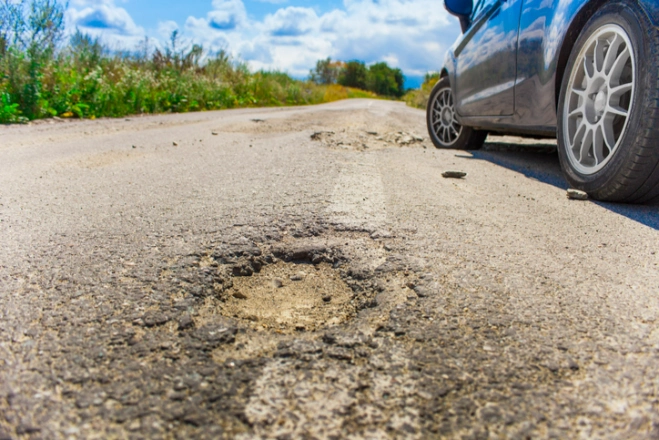
Pothole damage has a sneaky way of showing up later. Maybe the tire does not go flat on the spot, but two days later it is low again. Maybe the steering wheel felt fine right after the hit, but on the next highway drive the car starts drifting slightly to one side. Maybe the ride just feels harsher and you cannot quite put your finger on why. That is what makes pothole damage in Cambridge, ON so frustrating. The hit is over in a second, but the repair bill can show up days later. Cambridge drivers have been dealing with pothole complaints again this year, and across Ontario, pothole season is still closely tied to wheel alignment issues, suspension damage, bent rims, and tire damage.
The problem is simple. When a tire drops into a sharp pothole edge, the impact does not stop at the rubber. The force can move up through the rim, the alignment angles, the suspension, and the steering system. And if a part was already a little worn, that one hit can be the thing that pushes it over the edge.
1) Your Tire Starts Losing Air for No Obvious Reason
This is one of the most common delayed signs. Right after the pothole, the tire may still look okay. No dramatic flat. No warning light. Then a day or two later, you notice that same tire is low again.
That can happen because the pothole bent the rim just enough to affect the seal, or because the tire itself was damaged where it meets the wheel. Sometimes the leak is slow, which makes it easier to ignore at first. But if you are topping up the same tire after a pothole hit, that is not something to brush off. Slow leaks often mean the impact did more than you thought.
2) A Sidewall Bubble Shows Up
This one is more serious. If you see a bulge or bubble in the tire sidewall after a pothole hit, the inside structure of the tire has likely been damaged. The outside may still hold air, but the tire is no longer trustworthy in the way it used to be.
Drivers sometimes miss this because they are checking tread, not the sidewall. But after a hard pothole hit, the sidewall is exactly where you should look. A bulge is a red flag. It means the impact hit hard enough to damage the tire internally, not just cosmetically.
3) Your Wheel Alignment Quietly Moves Out of Place
Wheel alignment trouble after a pothole does not always feel dramatic. Sometimes it is subtle at first. The steering wheel sits slightly off-center. The car does not track as straight. On a flat road, you catch yourself making small corrections more often than usual.
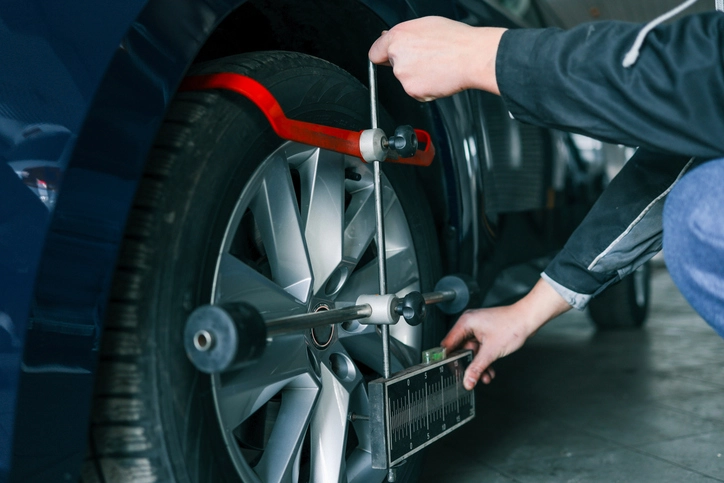
That is classic pothole damage. A sharp impact can throw off alignment angles enough to affect the way the car drives, even if nothing looks visibly broken. And once wheel alignment is out, the tires start paying for it. You may not notice that on day one, but a few weeks later the wear starts showing. That is why pothole damage and wheel alignment problems go hand in hand.
4) Your Tire Wear Starts Looking Uneven
This is the expensive part of waiting.
A pothole can knock the alignment out just enough to create uneven tire wear, especially on the inner or outer edge. Drivers often do not notice it until they wash the car, switch tires, or happen to crouch down and look closely. By then, the tire may already be wearing faster than it should.
And that is what makes a “small” pothole hit turn into a bigger problem. It is not always the impact itself that costs you. Sometimes it is the extra weeks of driving on an alignment that is slightly off.
5) The Rim Gets Bent, Even if You Cannot See It Right Away
A bent rim does not always look obviously mangled. Sometimes the bend is slight enough that you only notice it because the steering wheel starts vibrating at speed, or because the tire never seems to hold pressure the way it used to.
That is one reason pothole hits are worth checking, even if the car still drives. A rim can be bent just enough to create problems without looking dramatic in the driveway. If the vibration was not there before, or if the tire and wheel feel “off” after the hit, that is worth taking seriously.
6) The Suspension Starts Making Itself Known
This is usually the point where drivers say, “Now the car just feels different.”
A pothole can stress suspension parts like struts, shocks, control arms, and related hardware. Maybe you hear a new clunk over bumps. Maybe the front end feels rougher than it did last week. Maybe the car bounces a bit more after dips or road seams. That does not always mean a part broke on impact, but it can mean the pothole accelerated wear or exposed a weakness that was already there. Suspension repair in Cambridge, ON becomes a spring conversation for a reason. Winter roads are hard on suspension systems.
7) The Steering Feels Off, Even if You Can’t Explain It
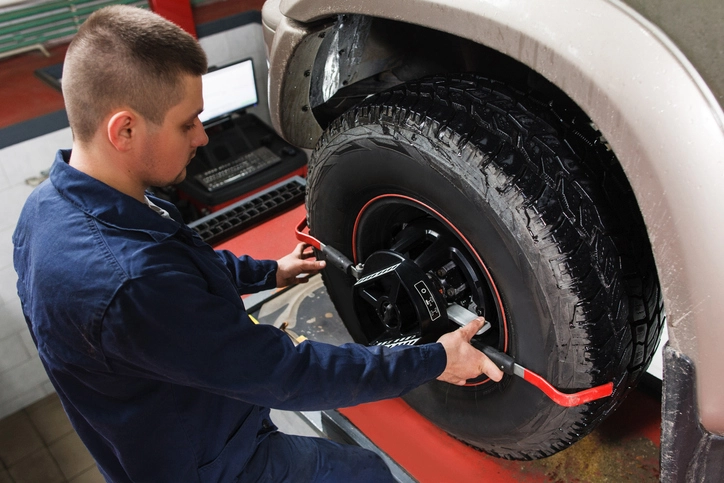
This one is easy to dismiss because it sounds vague. But drivers usually know when their own car feels different. After a pothole, the steering may feel looser, heavier, slightly crooked, or less settled at speed. Maybe it is not bad enough to call it dangerous, but it no longer feels normal.
Trust that feeling.
When steering changes after a pothole hit, it often means the impact affected alignment, suspension, or steering-related parts enough to change the way the vehicle responds. It is much better to inspect it early than wait for the problem to grow into premature tire wear or a larger front-end repair.
What to Do After a Pothole Hit
If it is safe, check the tire and wheel first. Look for a sidewall bubble, a cut, a bent rim, or a tire that is going down quickly. Then pay attention over the next few drives. Does the car pull? Is the steering wheel off-center? Do you hear a new noise? Is one tire losing pressure? That is usually how delayed pothole damage makes itself known.
And no, you do not need to panic after every pothole. But if it was a hard hit and something feels different after, that is enough reason to get it looked at. Waiting usually does not make pothole damage cheaper. It just gives it more time to spread into your tires, suspension, or alignment.
When It’s Time to Book a Repair
If you hit a pothole in Cambridge and then notice pulling, vibration, uneven tire wear, a new noise, a low tire, or a rougher ride, it is time to book an inspection. These are the exact kinds of issues that turn spring driving into alignment, tire, and suspension repair season.
At Aire One Auto, we check pothole damage, wheel alignment problems, tire damage, bent rims, and suspension concerns before they become bigger and more expensive than they need to be.