
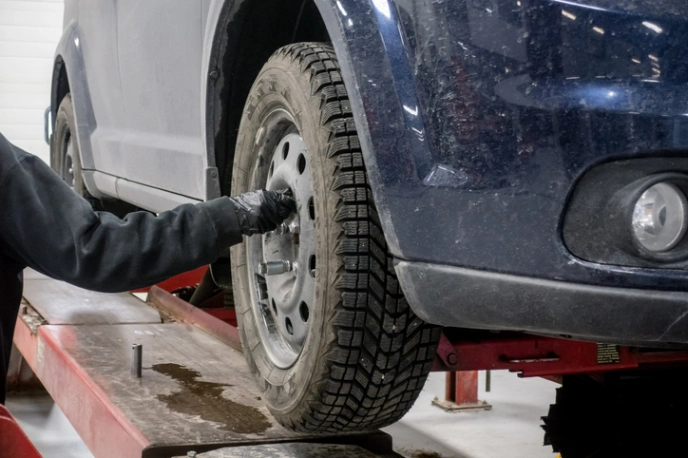
Winter Tires Don’t Come Off Because the Snow Is Gone
A lot of drivers use the first sunny day as their signal. The snow is mostly gone, the roads look clear, and suddenly it feels like winter tire season should be over.
That is not really the best way to decide.
The better rule is temperature. In Ontario, the usual guideline is to remove winter tires once average daily temperatures stay consistently above 7°C. That matters because winter tires are designed to stay flexible in colder conditions. Once the weather warms up, that same soft rubber starts to wear faster, and you are using up tread you will want next winter. The 7°C rule is still the clearest way to time a spring tire change.
Why 7°C Matters More Than the Calendar
Winter tires are not just “snow tires.” They are cold-weather tires. That means their grip advantage comes from how their rubber behaves in cold temperatures. When it gets warmer, they are no longer working in the conditions they were built for.
That is why the 7°C rule matters more than a specific date on the calendar. One March in Ontario might still feel like winter. Another April might warm up early. The real question is not “What month is it?” It is “What have temperatures actually been doing this week?” The strongest guidance still points to sustained temperatures above 7°C as the right time to switch.
Why Cambridge Drivers Sometimes Wait Too Long
Part of it is caution. Nobody wants to swap too early and then get hit with one more cold snap.
Part of it is convenience. Spring gets busy. People put it off because they do not want to schedule the appointment, pull their other tires out of storage, or deal with a seasonal rush.
And part of it is habit. A lot of drivers assume winter tires are fine until it feels almost like summer.
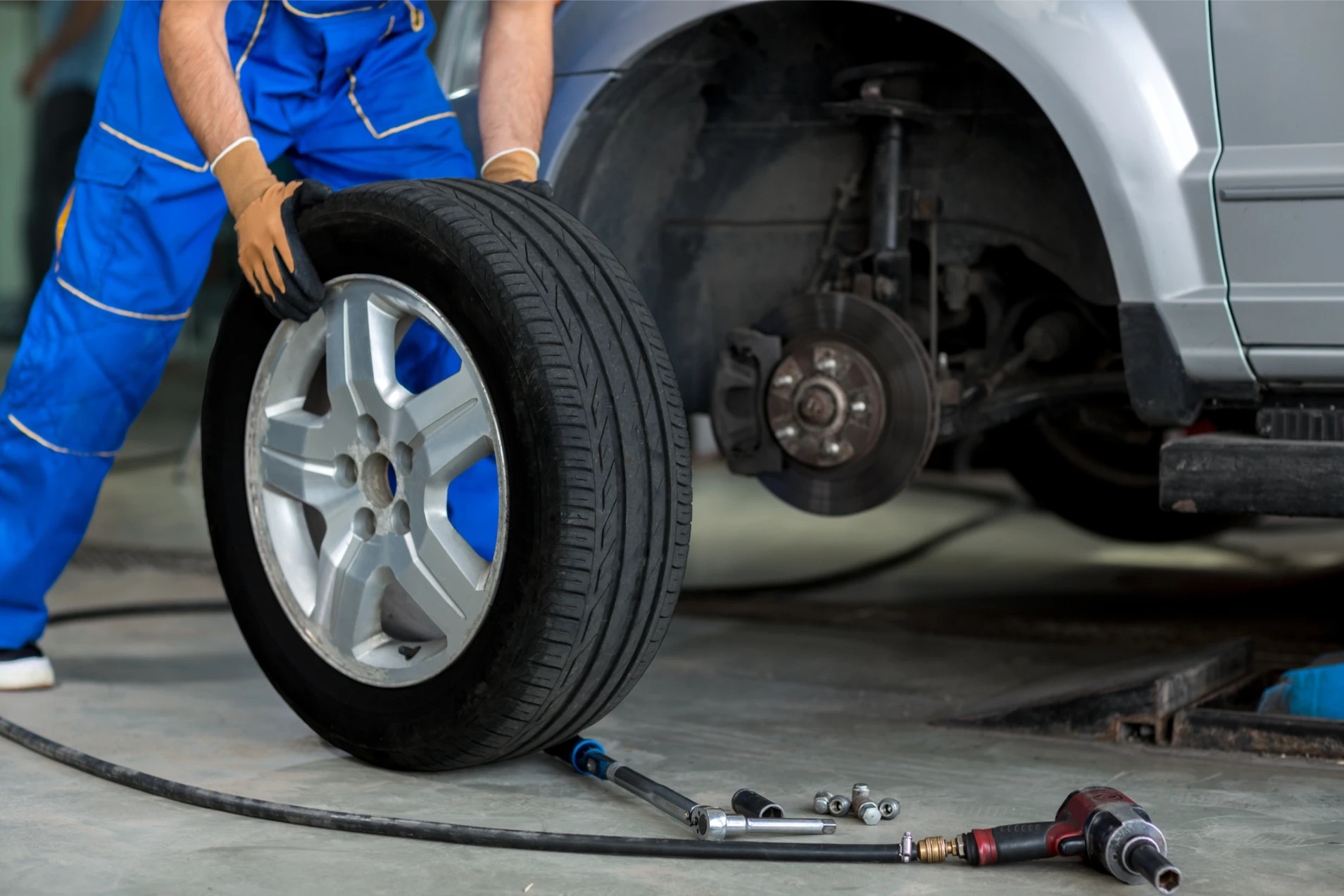
But warmer roads wear winter tires faster. Leave them on too long, and you shorten their useful life. That is why a spring tire swap in Cambridge, ON is not just a seasonal chore. It is part of getting the most out of the tires you already paid for.
What “Consistently Above 7°C” Actually Means
This is the part people argue about.
It does not mean one warm afternoon. It means the pattern has shifted. If your mornings are still close to freezing and the week is bouncing up and down, it may still be early. If the daytime highs and overnight lows are both settling into warmer spring weather, that is the sign most drivers should follow.
Some sources describe this as a “7-for-7” idea: once temperatures are above 7°C for a sustained stretch, the case for winter tires gets weaker and the case for a swap gets stronger. That is a much better approach than picking a random date.
What Happens If You Leave Winter Tires On Too Long?
The first problem is faster wear. Winter tires use a softer rubber compound. That helps in the cold, but it is a downside once the roads warm up.
The second problem is wasted value. Every extra warm-weather kilometre is tread life you are burning through when you no longer need winter performance.
The third problem is feel. In warmer weather, winter tires can feel softer and less crisp than the right spring or summer setup.
So yes, the car may still drive. But it is not the best setup for the conditions anymore, and the wear adds up faster than many people realize.
What to Check During Your Spring Tire Swap
A spring tire swap is also a good moment to catch the stuff winter left behind.
Check tread depth. Look for uneven tire wear. Inspect the sidewalls. If the winter tires wore oddly, that may point to a wheel alignment issue. If one wheel feels rough or the tire has a slow leak, that could be pothole damage. If the vehicle started pulling this winter and you ignored it, this is the time to deal with it before the next set of tires starts wearing the same way.

This is one reason spring tire season matters so much for repair shops. A tire change is also a chance to catch alignment and suspension problems before they turn into a second, more annoying problem later.
All-Season, All-Weather, or Summer?
This is where people get mixed up. Taking off winter tires is only half the decision. You also need to know what is going back on the car.
All-season tires are fine for a wide range of warmer conditions, but they are not winter tires. All-weather tires are more capable in colder weather than regular all-seasons and are designed to bridge more of the year. Summer tires are another category entirely. What makes sense depends on how you drive and what kind of weather you expect.
The key point is this: once winter tires come off, the next set should make sense for the season you are actually entering, not the one you just left.
Why Booking Early Is Smarter Than Waiting
The moment the weather warms up for real, everyone remembers they need a tire swap. That is when appointments get tight.
Booking early gives you better timing, more flexibility, and less temptation to leave winter tires on longer than you should. It also gives you a better chance to deal with anything else that shows up during the swap, like uneven wear, damaged rims, or alignment trouble.
If the weather has clearly turned, there is not much to gain by waiting another few weeks.
Final Word
If you are wondering when to remove winter tires in Ontario, the cleanest answer is still the best one: follow the 7°C rule. Once temperatures are staying consistently above that mark, it is time to book your spring tire swap.
For Cambridge drivers, that means watching the weather pattern, not just the calendar. Take them off too early and you may still hit cold mornings. Leave them on too long and you wear them out for no good reason.
Get the timing right, and you protect your winter tires, improve warm-weather driving, and start spring on the right setup.