Spring Is When Brake Noises Suddenly Get Hard to Ignore
A funny thing happens every spring. The snow is gone, the windows come down, the weather gets better, and suddenly drivers start hearing noises their brakes have probably been working toward for months.
That squeak that seemed minor in winter? Now you hear it every time you stop.
That scrape after the car sat overnight? Now it sounds louder than it did in January.
And that is where the question starts: is it just rust, or is it time for brake repair?
The answer is sometimes yes to the first part, and sometimes very much yes to the second. Winter leaves behind moisture, road salt, corrosion, and long stretches where some vehicles do more short trips or sit more often. That combination is rough on brakes. Light rust can be normal. Persistent noise is where the conversation changes. Cambridge brake-service pages keep using the same warning signs: squeaking, grinding, pulsing, shaking, and poor brake feel.
When Brake Rust Is Normal
Brake rotors are metal. Metal rusts. It really can be that simple.
If your car sat for a bit, especially in damp or salty conditions, a light layer of surface rust can form on the rotors. On some vehicles, that shows up as a mild scraping or squeaking sound for the first few stops. If the noise fades quickly and the brakes feel normal, that can be perfectly ordinary.
That is the part drivers need to remember: light surface rust is a thing. Not every spring brake noise means an emergency.
When It Stops Being “Just Rust”
Here is the line most drivers should use.
If the sound goes away after a couple of stops and the pedal feels solid, you may simply be hearing rust clearing off the rotors.
If the sound stays, gets worse, or comes with other symptoms, it is time for a brake inspection.
Those symptoms include:
- squeaking every time you brake
- grinding
- pulsing in the brake pedal
- vibration in the steering wheel while braking
- pulling to one side
- a soft or spongy pedal
- reduced braking confidence
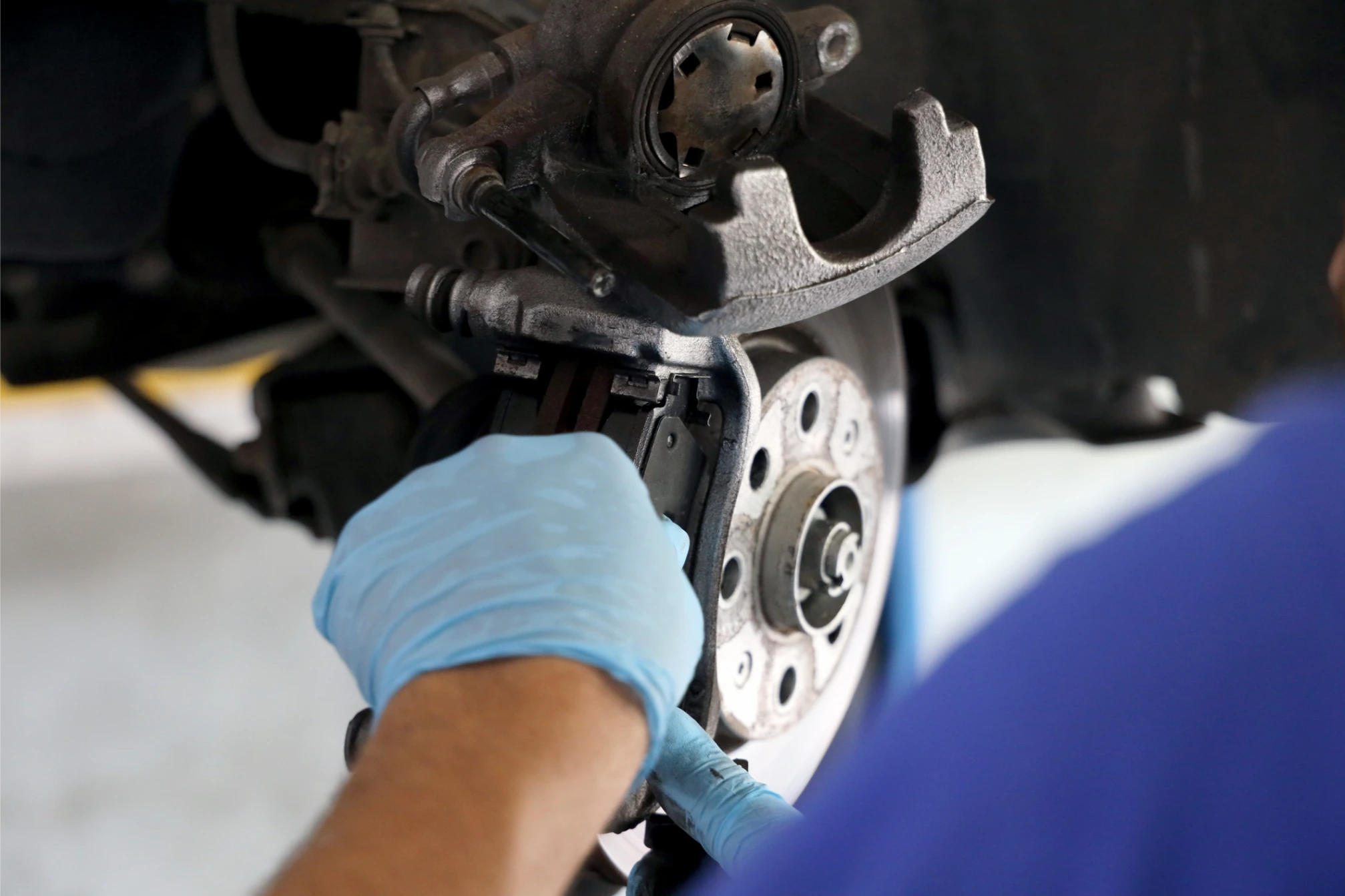
That is no longer “probably rust.” That is your brake system asking to be checked.
Why Winter Is So Hard on Brakes
Winter driving is rough on more than just tires and suspension. Salt, slush, moisture, and temperature swings all work against the brake system. Then add stop-and-go driving, frozen buildup, and long wet stretches, and you have the perfect setup for rust, corrosion, and wear to show up in spring.
That is why brake inspection becomes such a spring topic. Winter may not create every brake problem, but it does a very good job of exposing and speeding up the ones that were already starting.
The Noises That Mean Different Things
Not every brake noise points to the same problem.
A light scrape after the vehicle sat overnight may just be surface rust.
A squeak that keeps happening can point to worn brake pads or hardware issues.
A grinding sound is more serious and can mean the pads are badly worn or the braking surfaces are in much worse condition.
A pulse or shake during braking can point to rotor issues or uneven braking surfaces.
This is why guessing is not great with brakes. The same general idea — “noisy brakes” — can mean several different things, and the repair depends on what is actually going on.
The Mistake Drivers Make in Spring
A lot of people wait because the car still stops.
That sounds reasonable until you think about it for a second. Brakes can still stop the vehicle and still need repair. “It still stops” is a low bar. The better question is whether it stops quietly, smoothly, and confidently.
If the answer is no, that is the part that matters.
Small brake issues can get expensive fast. Worn pads can damage rotors. Uneven braking can wear things further. A problem that starts as a noise can turn into more parts and more labour if it keeps getting pushed off.
What a Proper Brake Inspection Should Cover
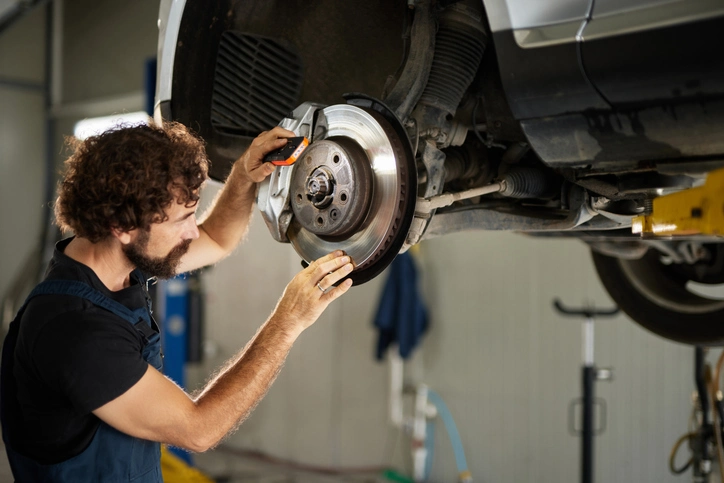
A good brake inspection should check more than the obvious sound. It should look at the condition of the pads, rotors, brake feel, and other brake-system parts affecting performance.
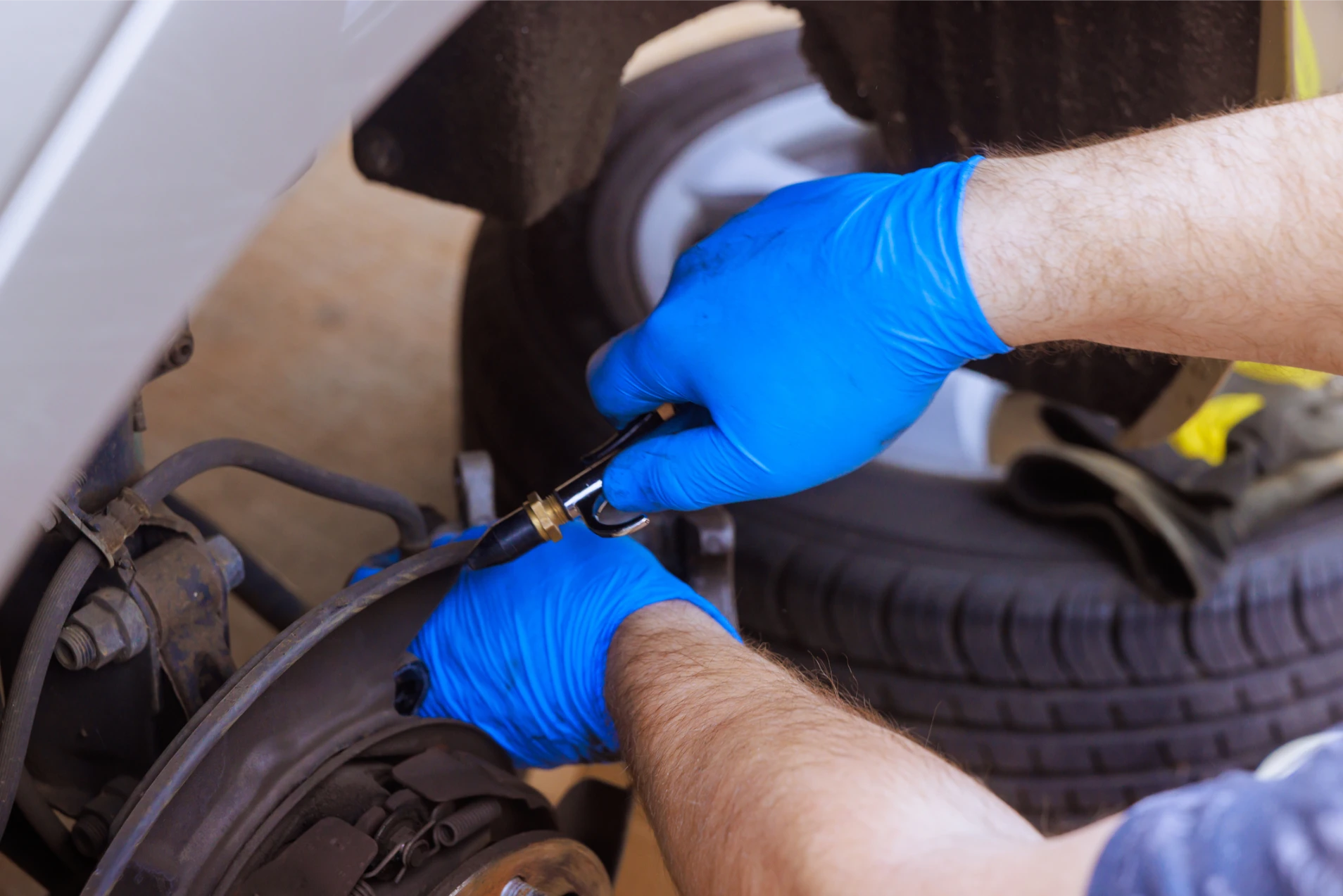
That matters because spring brake complaints are often a mix of things. A little rust. Some wear. Maybe uneven contact. Maybe something more advanced. The point of the inspection is to separate “normal spring brake noise” from “this needs repair now.”
So… Is It Rust or Time for Brake Repair?
Sometimes it really is light rust. If the vehicle sat, the sound clears quickly, and the brakes feel completely normal after the first few stops, that is one thing.
But if the squeak hangs around, the brakes grind, the pedal feels weak, or the car shakes or pulls under braking, the answer changes quickly. At that point, it is time for brake repair in Cambridge, ON or at least a proper brake inspection.
Spring is exactly when these problems show up. And honestly, that is not bad timing. It is better to catch brake issues now than halfway into a busy season of commuting, weekend driving, and road trips.
Final Word
If your brakes got noisy after winter, do not panic — but do not ignore it either.
Sometimes the answer is surface rust. Sometimes it is worn pads, tired rotors, or a brake system that needs attention. The best clue is what happens after those first few stops. If the noise fades and the brakes feel normal, great. If it stays, grows, or comes with vibration, grinding, or poor feel, it is time to get the brakes checked.
That is the smart move. Not because every brake noise is a crisis, but because the ones that matter rarely fix themselves.